

New Zealand Workforce Market Overview & Labour Challenges
New Zealand is an island nation located in the Southwestern Pacific Ocean, with a population of approximately 5.3 million people. Its capital city is Wellington, while Auckland is the country's largest commercial and economic center. New Zealand has a highly developed, open-market economy supported by agriculture, horticulture, construction, manufacturing, tourism, healthcare, logistics, and technology. The country consistently ranks among the world's best places to live and work, but it faces ongoing labour shortages due to an aging population, low unemployment, and sustained economic growth. As a result, New Zealand employers increasingly rely on skilled and semi-skilled migrant workers to fill critical positions across multiple industries.As of 1 January 2024, about 1842 579 people lived in Latvia. Latvia is experiencing a noticeable labour market gap, with around 19–21 thousand job vacancies reported in 2025, representing roughly 2.1–2.4 % of total jobs as unfilled positions. These vacancies are spread across sectors such as technical professions, skilled trades, and elementary occupations, and many Latvian businesses say the shortage of skilled labour is a bigger concern than even geopolitical instability.Labour shortages are most acute in urban centres like Riga, where around 80 % of vacant jobs are located, while rural regions struggle with both unemployment and workforce availabilityLatvia manpower gap stems from several structural issues:Demographic decline: Lower birth rates and ageing reduce the size of the working-age population.Emigration: Many Romanians seek work abroad, shrinking the domestic labour pool.Skills mismatch: Available workers’ skills do not always match employer demands, especially in technical and specialised roles.
New Zealand Unemployment Rate (Yearly)
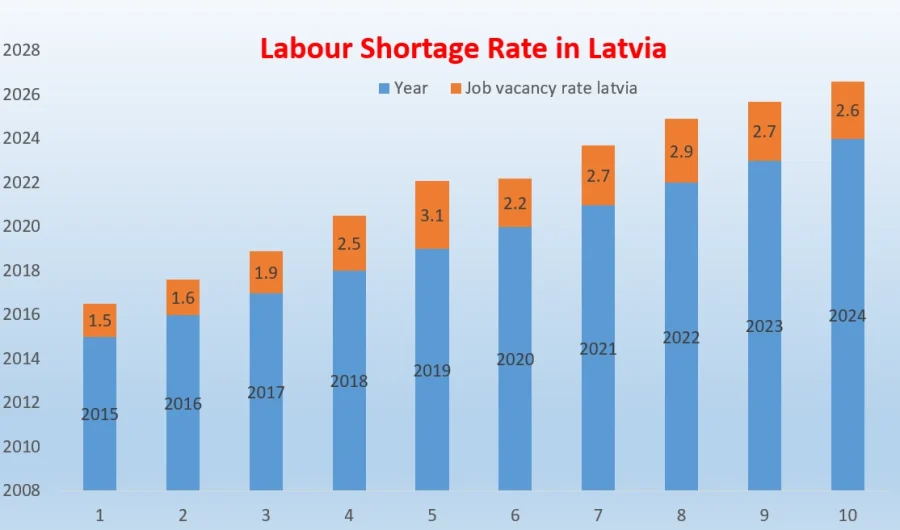
New Zealand has maintained a relatively low unemployment rate over the past decade, generally ranging between 3% and 5%. Following temporary increases during the COVID-19 pandemic, unemployment has stabilized at approximately 4.5% in 2024, reflecting a resilient labour market and continued economic recovery. Despite healthy employment levels, employers continue to struggle with workforce shortages across essential industries. Construction, healthcare, agriculture, hospitality, logistics, manufacturing, and engineering remain among the sectors experiencing the greatest hiring challenges, driving strong demand for international recruitment.
New Zealand Employment Rate Industry Wise
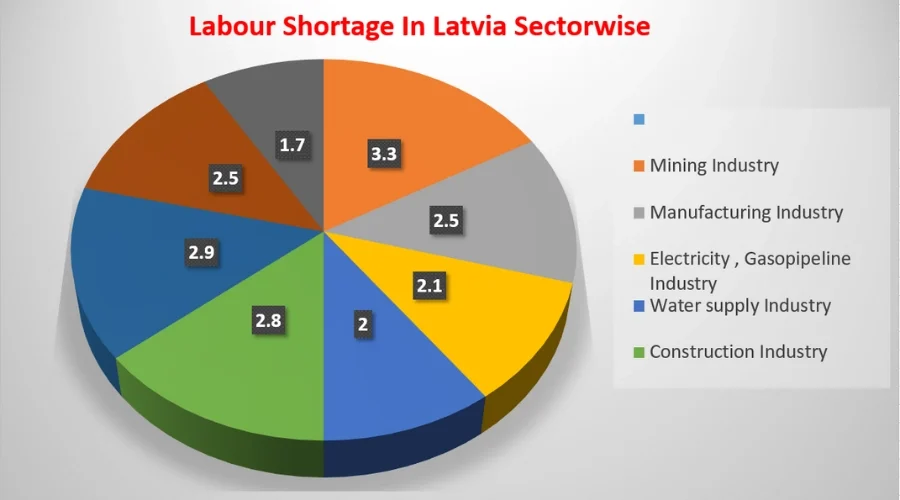
Employment in New Zealand is distributed across several key industries that support the country's economy. Healthcare and social assistance represent one of the largest employment sectors due to increasing demand from an aging population. Construction continues to experience significant growth through residential, commercial, and infrastructure development projects. Agriculture, dairy farming, horticulture, and food processing remain major contributors to employment and exports. Tourism and hospitality provide substantial employment opportunities across the country, while manufacturing, transportation, logistics, education, retail, and professional services also employ large segments of the workforce. The technology sector continues to expand as businesses invest in digital transformation and innovation.
New Zealand Job Vacancy Rate (Job Profile)
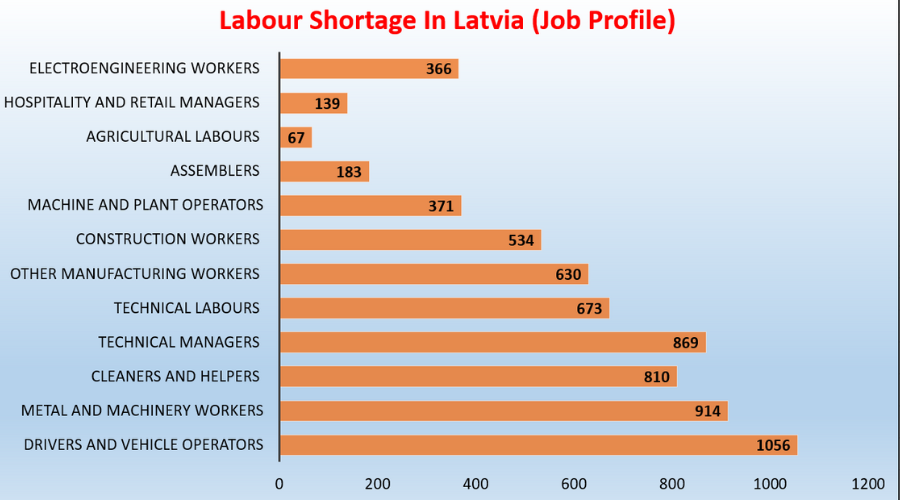
New Zealand continues to experience strong demand for workers across a broad range of occupations. Registered nurses, caregivers, healthcare assistants, and aged care workers remain among the most sought-after professionals due to workforce shortages in the healthcare sector. Construction workers, carpenters, electricians, plumbers, welders, and civil engineering trades are in high demand to support infrastructure development. Manufacturing companies regularly recruit production workers and machine operators, while logistics companies require truck drivers, warehouse staff, forklift operators, and supply chain professionals. The agriculture sector frequently hires dairy farm workers, fruit pickers, livestock workers, and seasonal labourers. Hotels and restaurants continue to recruit chefs, kitchen assistants, housekeeping staff, and hospitality professionals, while software developers, engineers, and IT specialists remain highly sought after.
Employer Pain Points in New Zealand Labour Market

Persistent Labour Shortages: Employers face ongoing shortages of skilled and semi-skilled workers across healthcare, construction, agriculture, logistics, manufacturing, hospitality, and engineering sectors.Complex Accredited Employer Work Visa (AEWV) Requirements: Hiring overseas workers requires employers to comply with Accredited Employer Work Visa (AEWV) regulations, immigration procedures, and detailed documentation requirements.Lengthy Immigration Processes: Work visa approvals, job checks, labour market testing (where applicable), and immigration compliance can extend recruitment timelines.Recognition of Overseas Qualifications: Employers often require assistance verifying foreign qualifications, trade certifications, and professional registrations before employment.Legal & Employment Compliance: Businesses must comply with New Zealand employment legislation, immigration laws, minimum wage requirements, workplace health and safety regulations, and employment standards to avoid legal risks.Higher Recruitment & Relocation Costs: International recruitment involves additional expenses related to immigration processing, legal documentation, relocation support, accommodation assistance, onboarding, and workforce integration.
How Setu Group Helps Your Business

Legally Compliant Recruitment Support: Setu Group provides employers with reliable international recruitment solutions while ensuring full compliance with local labour and immigration regulations through trusted legal partners.End-to-End Documentation Management: Our team coordinates all required employment and immigration documentation, including employment contracts, work permits, visa applications, translations, and compliance paperwork.Work Permit & Visa Process Management: Setu Group manages the complete immigration process, including: Work permit applications Visa documentation Labour authority approvals Embassy coordination Worker onboarding supportThis significantly reduces administrative burden and accelerates the hiring process.Compliance with Government Regulations: Every worker supplied is recruited in accordance with applicable labour laws, employment standards, and immigration requirements, helping employers minimize legal risks while maintaining a compliant workforce.Reliable International Workforce Supply: Setu Group sources qualified foreign workers across industries including construction, manufacturing, logistics, agriculture, hospitality, and engineering, helping businesses overcome ongoing labour shortages and maintain operational continuity.
Industries We Serve Globally
We provides skilled workers across the following industries:
Construction Industry
Manufacturing Industry
Automobile Industry
Logistics & Warehousing
Hospitality Industry
Refining Industry
Agriculture Industry
Utilities & Infrastructure
Plastic Industry
Skilled Profiles We Provide
We provides skilled workers across the following industries:
Construction Industry
Manufacturing Industry
Automobile Industry
Logistics & Warehousing
Hospitality Industry
Refining Industry
Agriculture Industry
Utilities & Infrastructure
Plastic Industry
Available Employment models
We provides skilled workers across the following industries:
Construction Industry
Manufacturing Industry
Automobile Industry
Logistics & Warehousing
Hospitality Industry
Refining Industry
Agriculture Industry
Utilities & Infrastructure
Plastic Industry
Partner with Setu Global group
Facing labour shortages or expansion challenges in New Zealand?
Setu Global Group delivers reliable, compliant, and scalable Indian manpower solutions that support uninterrupted operations and long-term growth